Species that survive imperfect setups and give beginners room to learn.
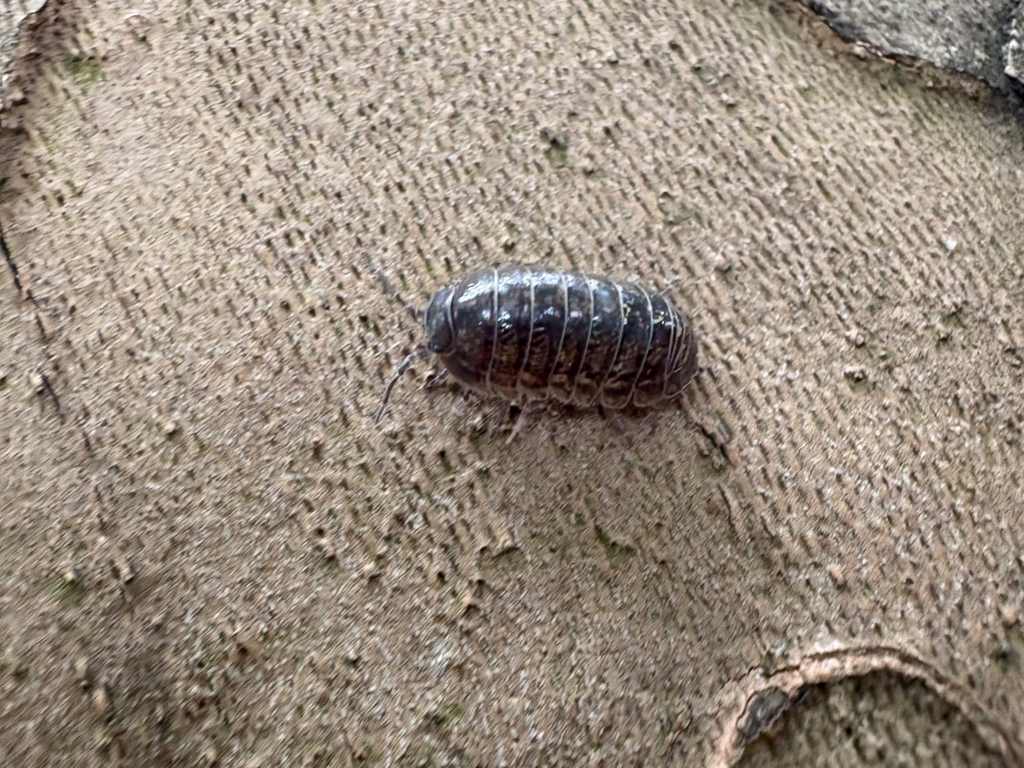
Start Here, Not With Rare Species
Most beginner failures with isopods have nothing to do with care skill.
They fail because:
- The species was fragile
- The setup was still stabilizing
- Expectations were unrealistic
If this is your first bioactive enclosure, your goal is stability, not novelty.
The best beginner isopods are:
- Hardy
- Forgiving of mistakes
- Slow to crash
- Comfortable in simple setups
You can always add rarer species later.
Right now, you want something that works.
What “Beginner-Friendly” Actually Means
A beginner-friendly isopod species should:
- Tolerate humidity fluctuations
- Accept a wide range of foods
- Breed steadily (not explosively)
- Handle occasional underfeeding
- Recover from small mistakes
If a species requires constant tuning, it’s not beginner-friendly — no matter how popular it looks online.
The Best Beginner Isopod Species
These species consistently perform well in basic bioactive enclosures.
They don’t need perfect conditions.
They just need a functioning system.
Powder Blue / Powder Orange Isopods
(Porcellionides pruinosus)
These are often the best first choice.
Why they work:
- Extremely hardy
- Fast to establish
- Tolerate a wide humidity range
- Excellent cleanup crew behavior
They’re active, visible, and forgiving — ideal for learning how bioactive systems behave.
If something goes slightly wrong, these usually recover.
Dwarf White Isopods
(Trichorhina tomentosa)
Best for:
- Small enclosures
- Mixed cleanup crews
- Substrate-focused systems
They spend most of their time below the surface, quietly doing their job.
Because they’re small and moisture-loving, they thrive in well-built substrate layers and help prevent waste buildup.
They’re also commonly paired with springtails.
Zebra Isopods
(Armadillidium maculatum)
A good step up for beginners who want something more visible.
Why they work:
- Tough exoskeleton
- Slower metabolism
- Less sensitive to minor mistakes
They prefer slightly drier conditions than some species, which makes them useful for learning moisture balance.
They’re also easy to observe without disturbing the enclosure.
Dairy Cow Isopods
(Porcellio laevis)
These are larger and more active than many beginner species.
Why they work:
- Strong feeding response
- Rapid growth
- High tolerance for variation
They can reproduce quickly, so they’re best suited for enclosures with enough space and leaf litter to support them.
They’re excellent for people who want visible activity early on.
Species Beginners Should Avoid (At First)
Some species look appealing but cause frustration early on.
Avoid starting with:
- Rare color morphs
- Slow-breeding species
- High-humidity specialists
- Expensive collector varieties
These species amplify small mistakes and give no margin for learning.
Once you’ve kept a stable colony for several months, branching out makes sense.
How Many Isopods to Start With
More is not always better.
A small starter group:
- Adapts faster
- Experiences less stress
- Establishes naturally
If the environment is correct, populations grow on their own.
If it isn’t, adding more animals won’t fix it.
Supporting Your Isopods (Without Overdoing It)
Beginner isopods thrive when you focus on the environment first.
Key supports:
- Constant access to leaf litter
- A calcium source for shell health
- Occasional supplemental food
Overfeeding causes more problems than underfeeding.
In a healthy bioactive enclosure, food appears as the system breaks itself down.
What Success Looks Like
Signs your isopods are doing well:
- You see them mostly under cover
- Numbers increase slowly over time
- Leaf litter thins gradually
- No strong odors develop
If you’re constantly seeing them scrambling on the surface, something is off.
Healthy isopods don’t need attention.
Where to Go Next
Once you’ve chosen a species, the next steps depend on how you want to proceed:
- Feeding Isopods & Cleanup Crews (What Actually Works)
- Isopod Starter Kits: When They’re Worth It
- Maintaining a Healthy Bioactive Enclosure (Long Term)
Species choice is important — but the system always comes first.
Once a species is chosen, most problems come from feeding too much.
Starter Species & Support
These are the basic living components most beginner setups start with.
- A starter culture of hardy isopods
- Springtails (optional but helpful)
- A calcium source such as cuttlebone