A practical foundation for isopods, cleanup crews, and small terrariums.
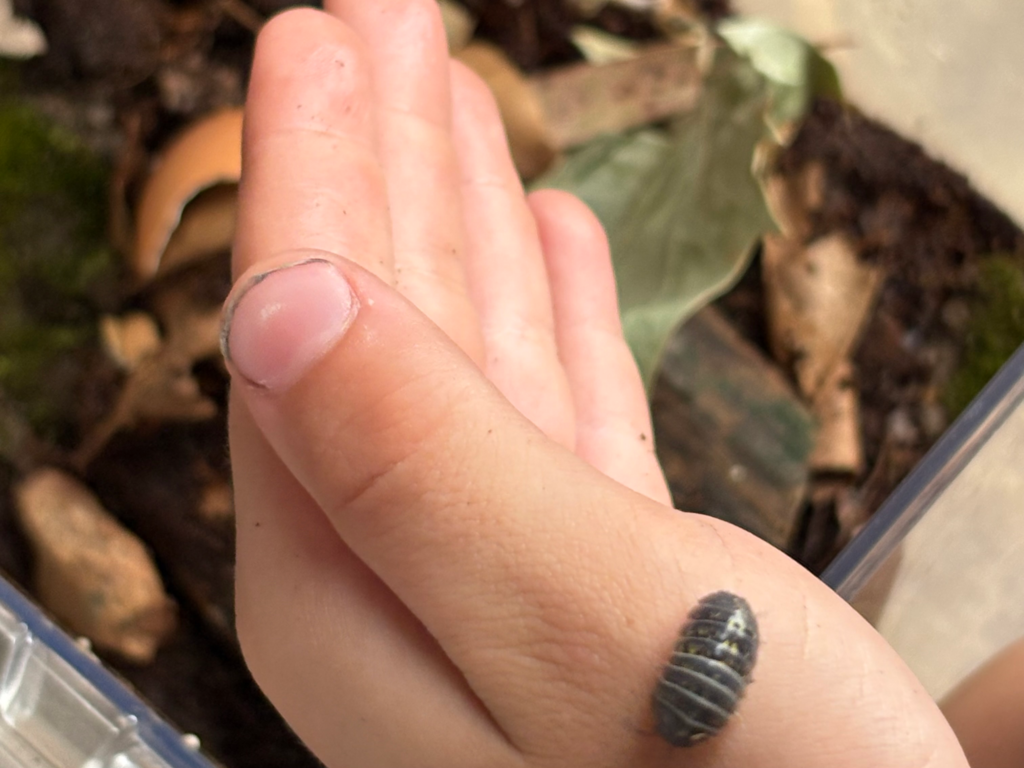
What a Bioactive Enclosure Really Is
A bioactive enclosure isn’t a display tank.
It isn’t a pet container.
And it isn’t something you “manage” every day.
A bioactive enclosure is a small functioning system.
When it works, the animals survive because the environment supports them — not because you’re constantly cleaning, feeding, or fixing mistakes. When it fails, it’s almost always because the system was built around the wrong priorities.
Most beginner setups fail not because the keeper chose the wrong species, but because the environment never had a chance to work.
Before you think about isopods, springtails, or kits, you need to understand what actually matters.
The Only Things That Actually Matter
You can strip bioactive enclosures down to five non-negotiables.
Everything else is optional, decorative, or actively unhelpful.
If these five things are right, most beginner problems disappear.
1. Substrate That Can Hold Life
Substrate is not filler.
It’s the foundation of the entire system.
A working substrate must:
- Hold moisture without becoming waterlogged
- Support microbial activity
- Break down organic matter over time
This is why coco fiber and bioactive soil blends work so well. They stay damp, they compact correctly, and they allow bacteria and fungi to establish — which is what the cleanup crew actually feeds on.
Dry sand, gravel, or decorative mixes fail because they don’t support life. They look clean and neat, but they create dead zones.
What works well:
- Coco fiber bricks (e.g. Zoo Med Eco Earth)
- Pre-mixed bioactive soil blends
You don’t need complicated drainage layers for small enclosures. You need consistent, breathable moisture.
2. Decaying Organic Matter (Food + Structure)
Leaf litter isn’t decoration.
It’s food, shelter, and humidity control all at once.
In nature, isopods and springtails live under layers of decaying leaves and wood. That layer:
- Feeds the cleanup crew
- Provides hiding spaces
- Slows moisture loss
- Buffers temperature swings
Bare substrate forces animals to stay exposed, stressed, and hungry.
A thick layer of leaf litter solves more problems than almost anything else you can add.
What works well:
- Oak leaf litter
- Magnolia or similar hardwood leaves
This is also a consumable. As it breaks down, you replace it. That’s how the system stays stable.
3. Structure and Hides
Open tanks fail.
Isopods, springtails, and other cleanup crew don’t thrive in exposed environments. They need compression points — places where substrate, wood, and leaves meet.
Cork bark works because it:
- Doesn’t rot quickly
- Holds microclimates underneath
- Creates permanent shelter
Plastic hides and decorative ornaments don’t do the same job. They look intentional but don’t integrate into the substrate.
What works well:
- Cork bark flats
- Cork rounds or tunnels
If an animal can’t disappear completely, the setup isn’t finished.
4. Moisture and Airflow Balance
Most beginners either drown their enclosure or dry it out.
Spraying alone doesn’t fix humidity. Sealing a container doesn’t fix it either.
Bioactive systems need:
- Moist substrate
- A humid lower layer
- Gentle airflow at the top
This balance prevents mold explosions, anaerobic pockets, and population crashes.
You don’t need automation. You need awareness.
What helps:
- A basic digital thermo-hygrometer
- A simple spray bottle
- Ventilated or mesh lids
If you can’t tell what the humidity is doing, you’re guessing — and guessing kills systems.
5. A Cleanup Crew That Can Do Its Job
Isopods and springtails aren’t pets in this context.
They’re workers.
Their job is to:
- Break down waste
- Consume decaying material
- Recycle nutrients back into the substrate
They only succeed if the environment supports them first.
Adding cleanup crew to a dry, bare, decorative setup is the fastest way to watch them disappear.
Once the substrate, moisture, and shelter are correct, even beginner species thrive with minimal intervention.
Common starting options:
- Hardy isopod cultures
- Standard springtail cultures
Species choice matters — but only after the system works.
What You Can Safely Ignore
This is where most kits and guides go wrong.
You do not need:
- Heat rocks
- Fancy lighting systems
- Decorative sand layers
- Artificial plants
- “Everything included” starter kits filled with plastic accessories
These items don’t support the system. They just make the enclosure look busy.
A simple enclosure with good substrate, leaf litter, cork, and moisture will outperform an expensive, overdesigned setup every time.
Once the Environment Works, Everything Else Gets Easier
When the system is right:
- Isopods establish instead of vanishing
- Springtails regulate mold naturally
- Feeding becomes supplemental, not constant
- Maintenance drops to occasional misting and refills
This is why experienced keepers spend more time thinking about environment than animals.
Species selection, starter kits, and feeding routines only make sense after the foundation is correct.
If you’re ready to build one, the next step is setting it up in the correct order.
Where to Go Next
If you’re ready to move forward, continue here:
- Best Isopods for Beginners (Hardy & Forgiving)
- How to Set Up a Simple Bioactive Tank (Step-by-Step)
- Isopod Starter Kits: What’s Actually Worth Buying
Each builds on the same system — nothing extra, nothing wasted.
Commonly Used Basics
These are the basic items most simple bioactive enclosures rely on.
- Coco fiber or bioactive substrate
- Leaf litter
- Cork bark (flats or rounds)
- A basic digital hygrometer
- A simple spray bottle